SISCOG
Enterprise software powering railway operations.
Enterprise software powering railway operations.
Project Details
Project Details
Services
Web App
Web App
Design Systems
Design Systems
Location
Lisbon, Portugal
Lisbon, Portugal
Duration
15 months • 2022-2024
15 months • 2022-2024
Team involved
2 Product Designers
8 Software Engineers
5 QA Test Engineers
2 Team Managers
2 Product Designers
8 Software Engineers
5 QA Test Engineers
2 Team Managers
Info
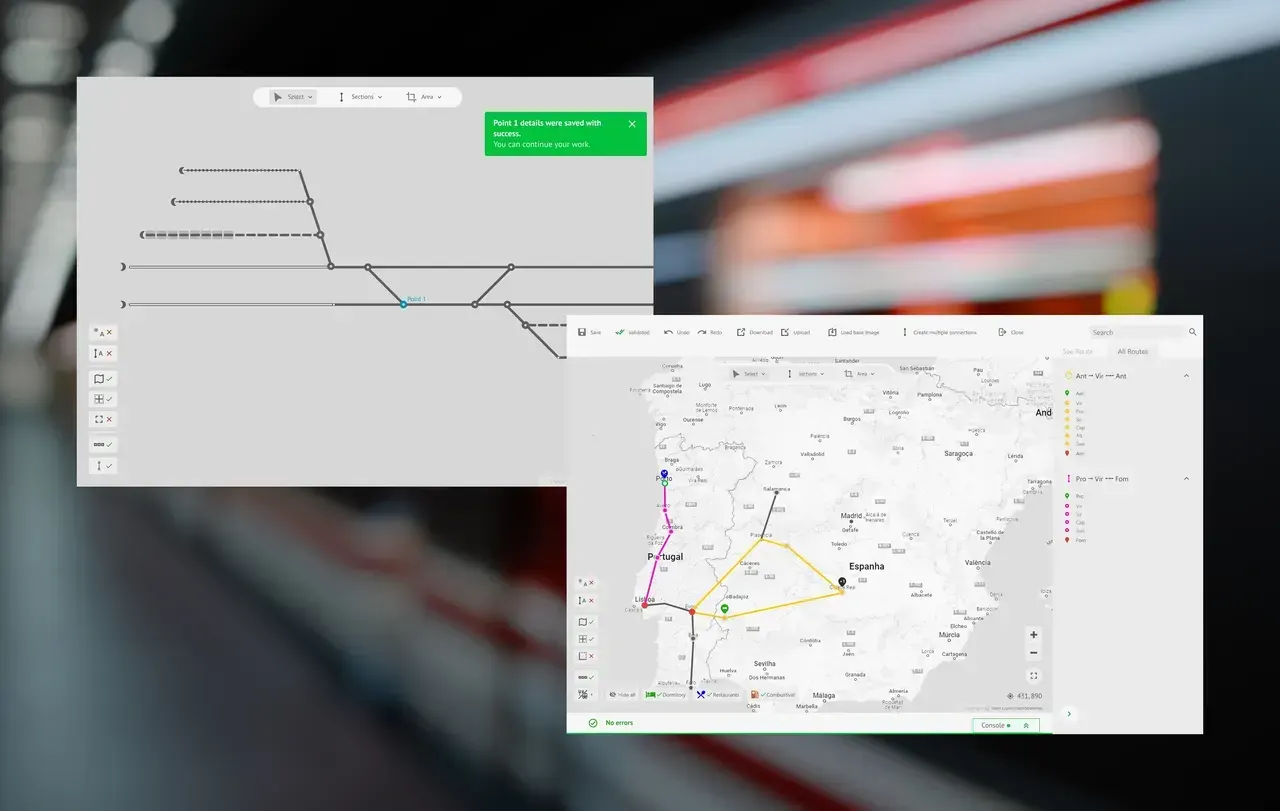
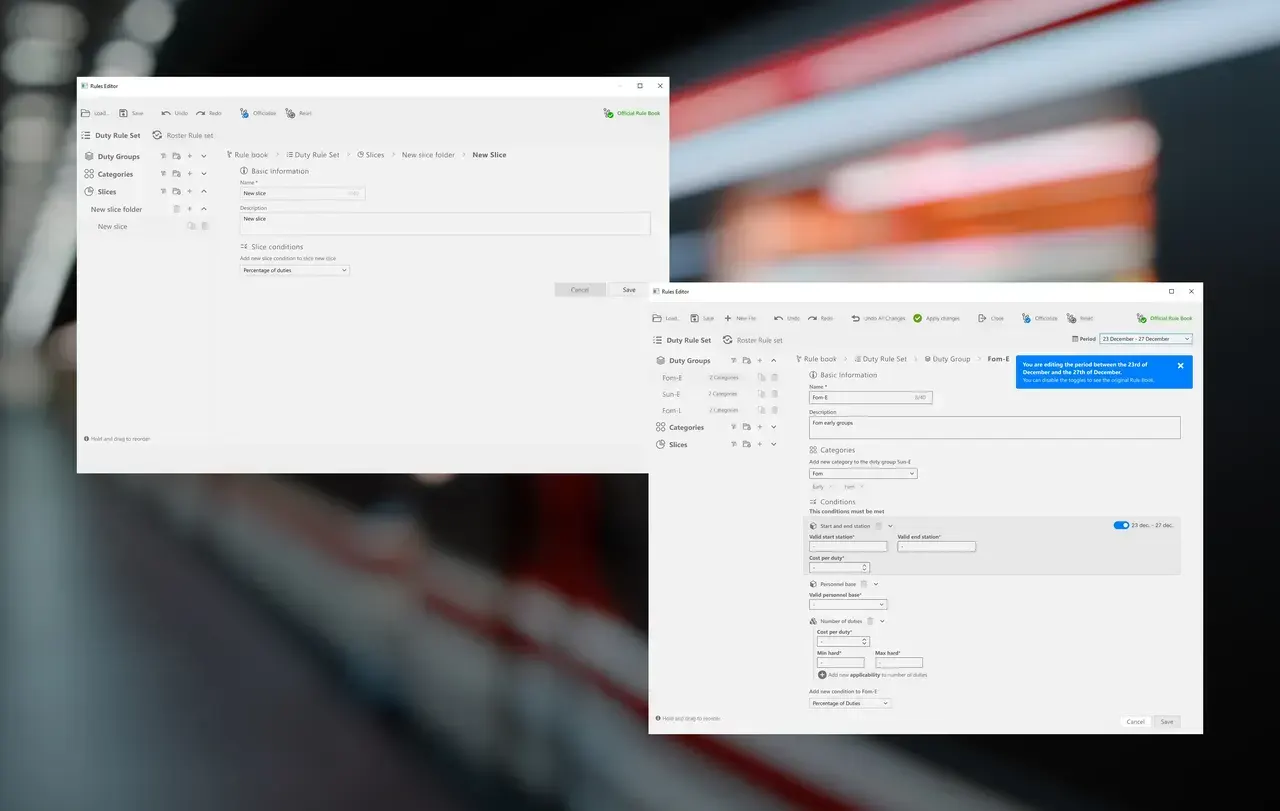
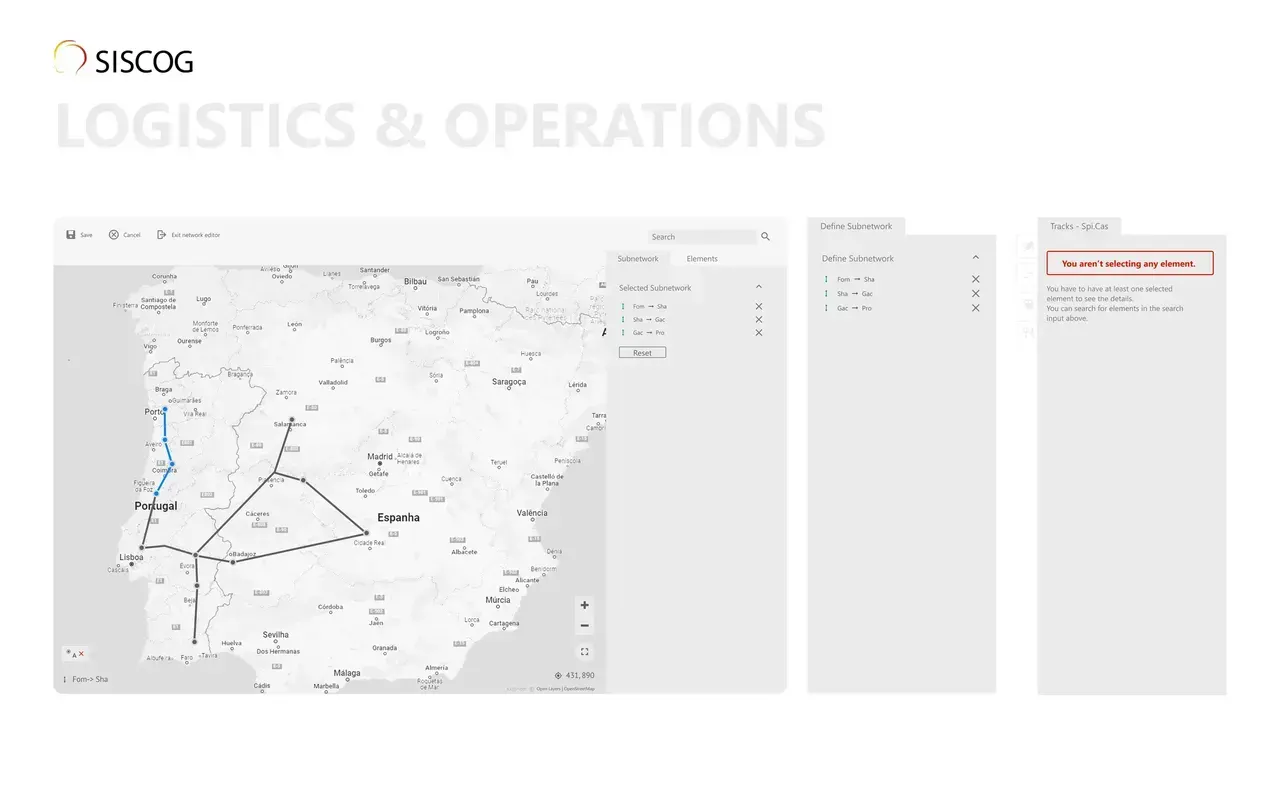
SISCOG develops optimisation software used by railway operators worldwide to plan, schedule, and manage complex rail operations. As part of the product design team, I contributed to the redesign of multiple enterprise applications, focusing on modernising the user experience, improving accessibility, and building a scalable design system capable of supporting an extensive suite of operational tools.
SISCOG develops optimisation software used by railway operators worldwide to plan, schedule, and manage complex rail operations. As part of the product design team, I contributed to the redesign of multiple enterprise applications, focusing on modernising the user experience, improving accessibility, and building a scalable design system capable of supporting an extensive suite of operational tools.
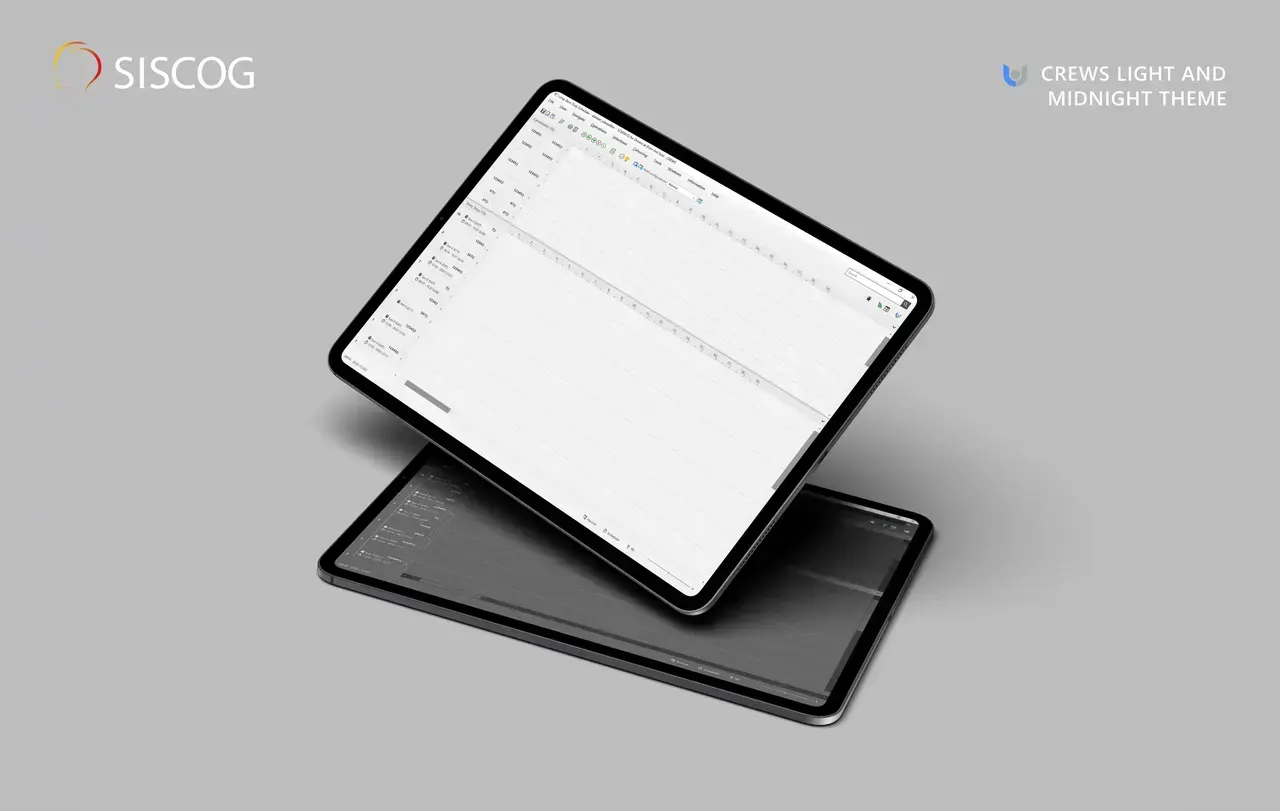
Impact & Context
Impact & Context
The Impact
I led the end-to-end UX/UI modernisation of SISCOG's four-product suite, ONTIME, FLEET, RAILNODE and CREWS, and created its first unified design system. These products plan and dispatch rail and metro operations for roughly 13 enterprise clients, with publicly documented deployments managing the schedules of more than 10,000 rail employees and decisions affecting networks carrying millions of passenger journeys.
I led the end-to-end UX/UI modernisation of SISCOG's four-product suite, ONTIME, FLEET, RAILNODE and CREWS, and created its first unified design system. These products plan and dispatch rail and metro operations for roughly 13 enterprise clients, with publicly documented deployments managing the schedules of more than 10,000 rail employees and decisions affecting networks carrying millions of passenger journeys.
Highlights
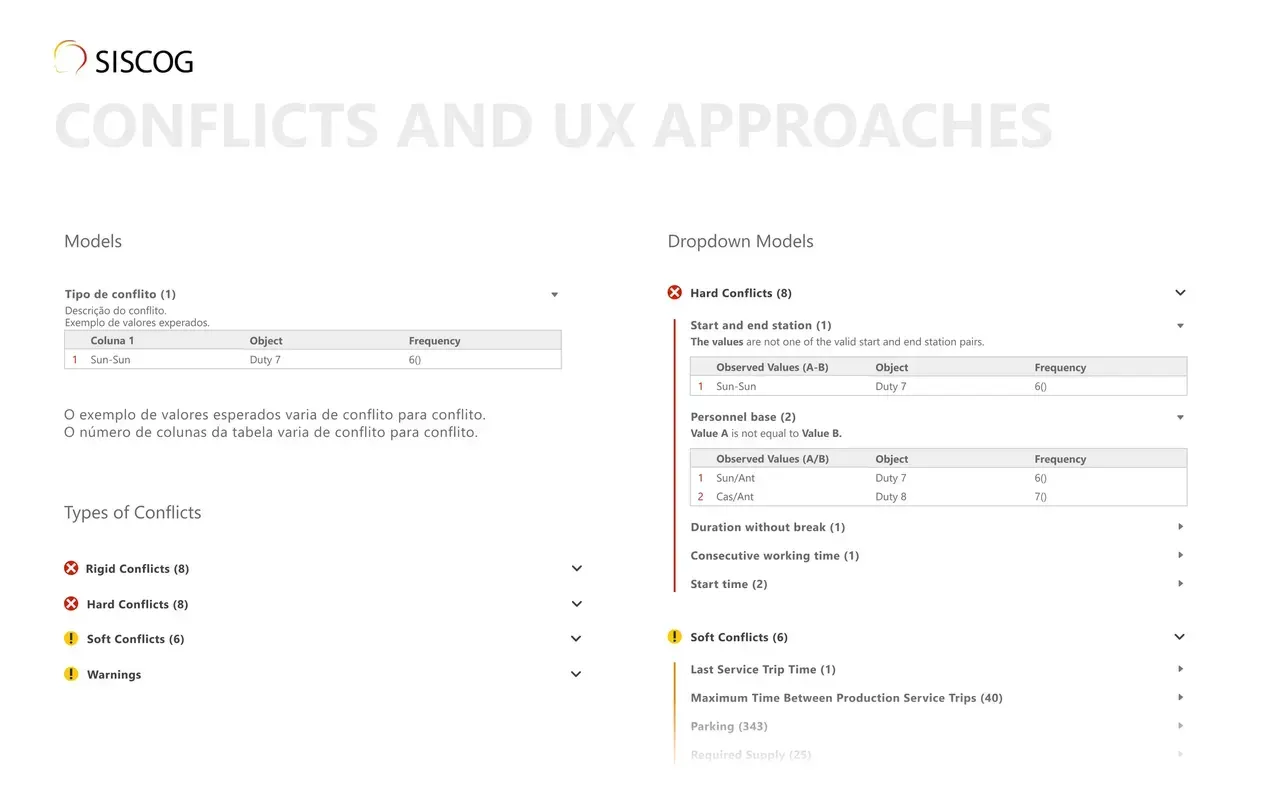
Unified interaction language: Established a shared system for scheduling grids, rules, filters, validation, conflict resolution, alerts and optimiser feedback across all four products.
72-component design system: Built a documented system of reusable components and patterns, with behaviours, states, accessibility requirements and contribution guidelines, covering 91% of audited production screens.
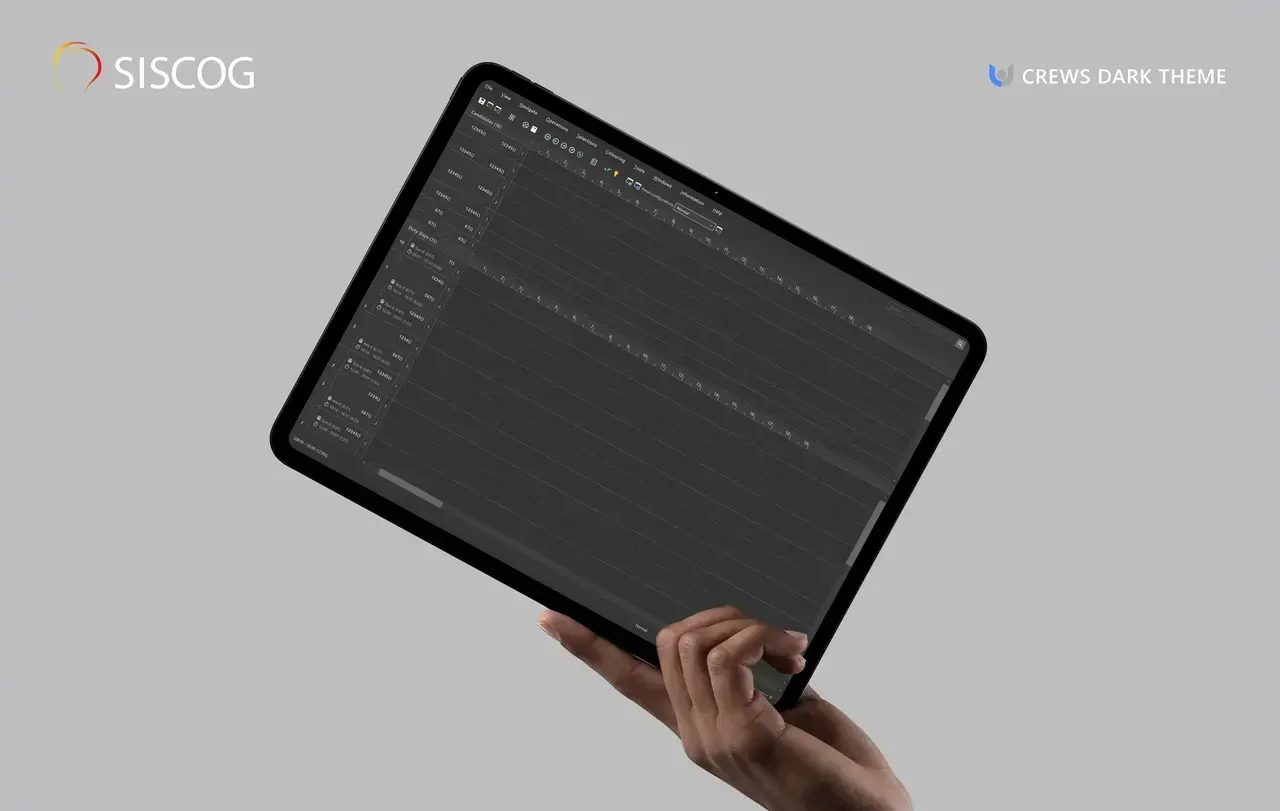
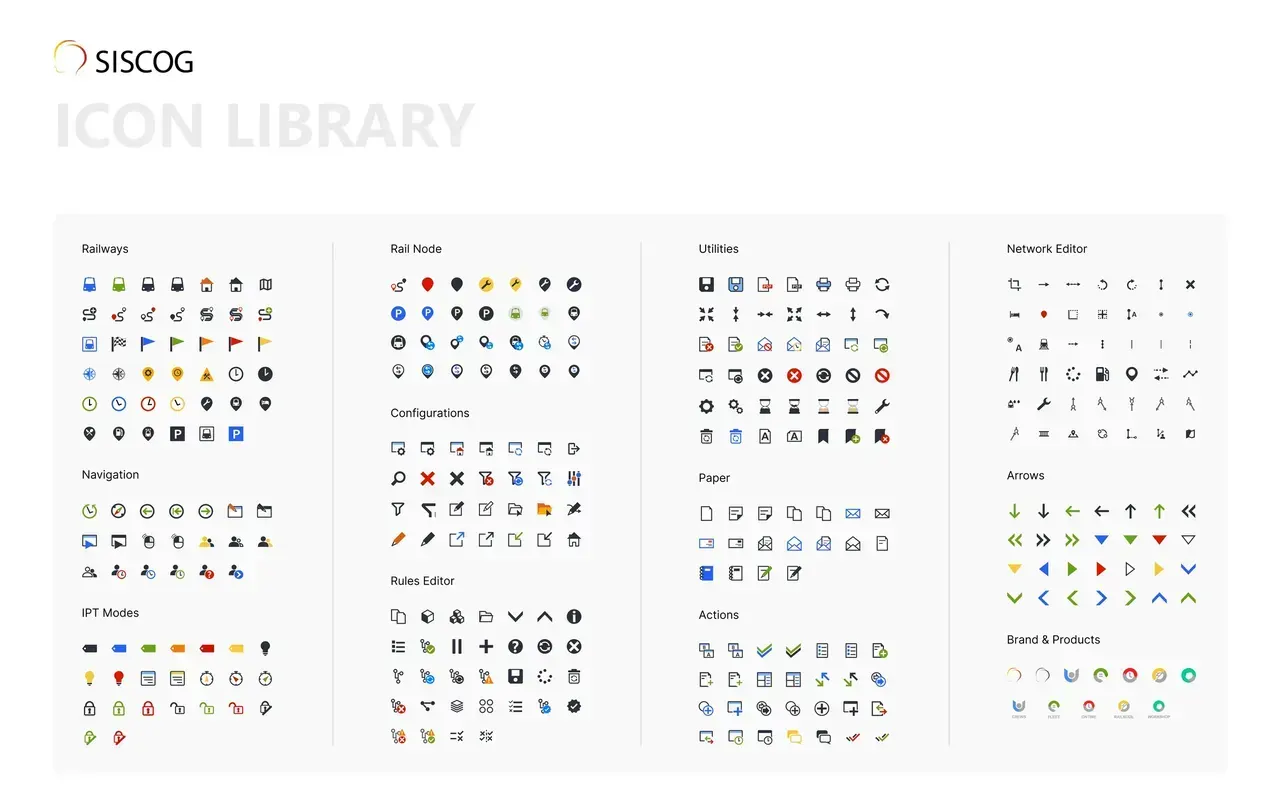
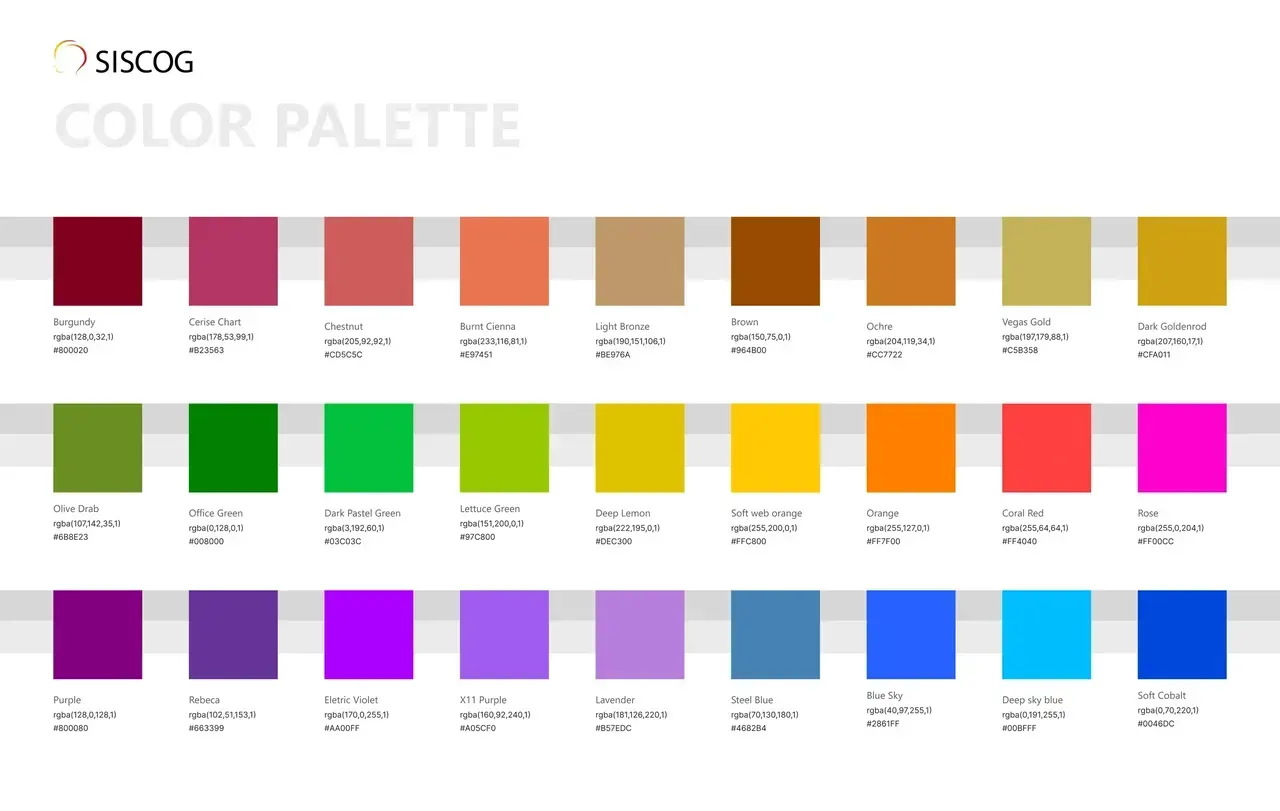
Accessibility built in, not bolted on: Designed and validated dedicated accessibility themes, including modes for different forms of colour vision deficiency, tested directly with colour-blind participants.
Measured impact at scale: Following rollout, core-workflow success rose from 78% to 93%, and adoption reached 89% among 320 monthly active users within 12 weeks.
Unified interaction language: Established a shared system for scheduling grids, rules, filters, validation, conflict resolution, alerts and optimiser feedback across all four products.
72-component design system: Built a documented system of reusable components and patterns, with behaviours, states, accessibility requirements and contribution guidelines, covering 91% of audited production screens.
Accessibility built in, not bolted on: Designed and validated dedicated accessibility themes, including modes for different forms of colour vision deficiency, tested directly with colour-blind participants.
Measured impact at scale: Following rollout, core-workflow success rose from 78% to 93%, and adoption reached 89% among 320 monthly active users within 12 weeks.
Organizational Context
Product strategy: Centred on reducing the time required to reach a validated operational decision without compromising schedule quality, compliance or expert control, informed directly by research findings.
Discovery & UX research: Interviews and contextual observation across six client organisations, combined with workflow analytics, support-ticket analysis, hierarchical task mapping and a complete audit of the legacy interface ecosystem.
Metrics: Real, first-party product and usability data, not modeled projections, gathered following a controlled rollout.
Processes: 2 Product Designers working alongside 8 Software Engineers, 5 QA Test Engineers and 2 Team Managers, over a 15-month engagement in 2023.
Product strategy: Centred on reducing the time required to reach a validated operational decision without compromising schedule quality, compliance or expert control, informed directly by research findings.
Discovery & UX research: Interviews and contextual observation across six client organisations, combined with workflow analytics, support-ticket analysis, hierarchical task mapping and a complete audit of the legacy interface ecosystem.
Metrics: Real, first-party product and usability data, not modeled projections, gathered following a controlled rollout.
Processes: 2 Product Designers working alongside 8 Software Engineers, 5 QA Test Engineers and 2 Team Managers, over a 15-month engagement in 2023.
Design Challenge
Design Challenge
SISCOG's four products carried 40 years of operational knowledge, complex business rules and optimisation logic that specialist planners and dispatchers depended on to run real rail and metro networks. The challenge wasn't visual consistency for its own sake, it was translating decades of that domain complexity into interfaces experts could understand, control and trust, without compromising the schedule quality, compliance or operational control the job depends on. Research across six client organisations showed users needed to compare complex scenarios, understand why a plan was invalid, control optimisation decisions directly, and recover quickly when operations changed mid-shift, often under real time pressure.
SISCOG's four products carried 40 years of operational knowledge, complex business rules and optimisation logic that specialist planners and dispatchers depended on to run real rail and metro networks. The challenge wasn't visual consistency for its own sake, it was translating decades of that domain complexity into interfaces experts could understand, control and trust, without compromising the schedule quality, compliance or operational control the job depends on. Research across six client organisations showed users needed to compare complex scenarios, understand why a plan was invalid, control optimisation decisions directly, and recover quickly when operations changed mid-shift, often under real time pressure.
The Result
The Result
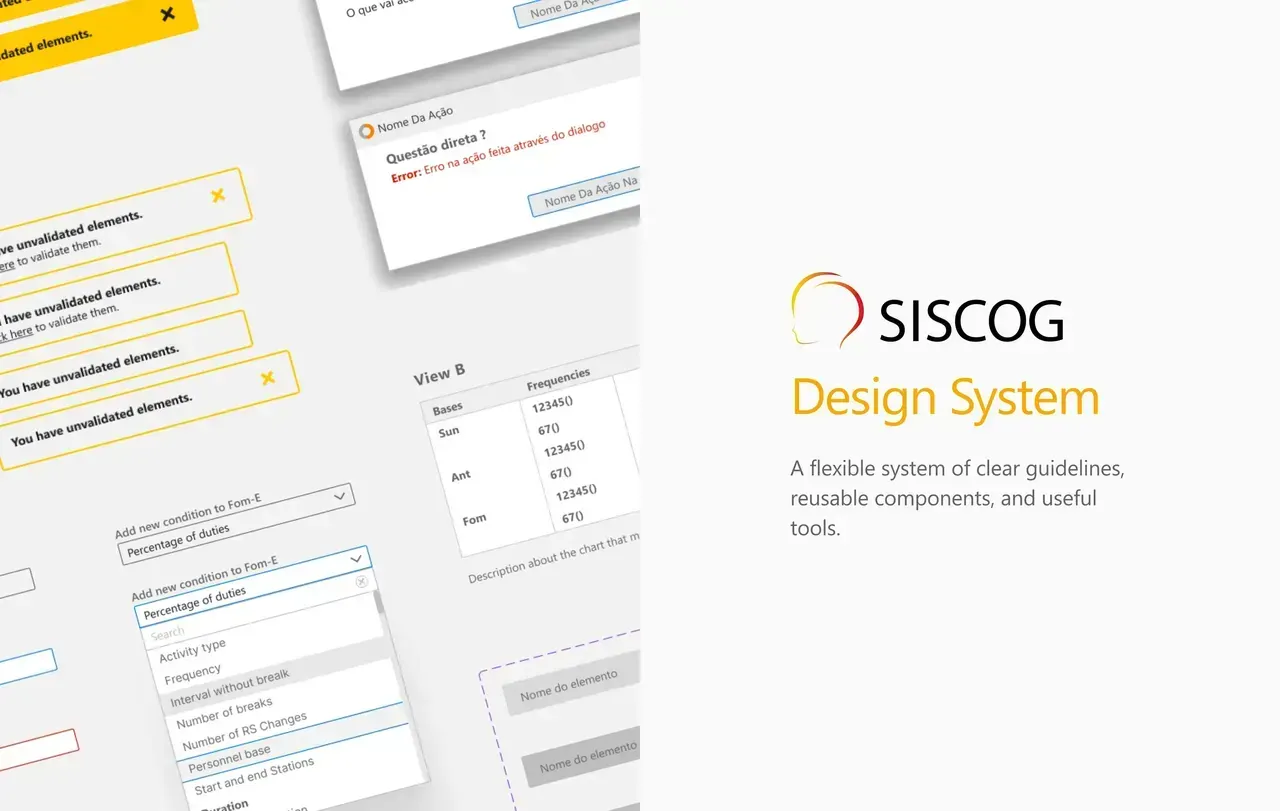
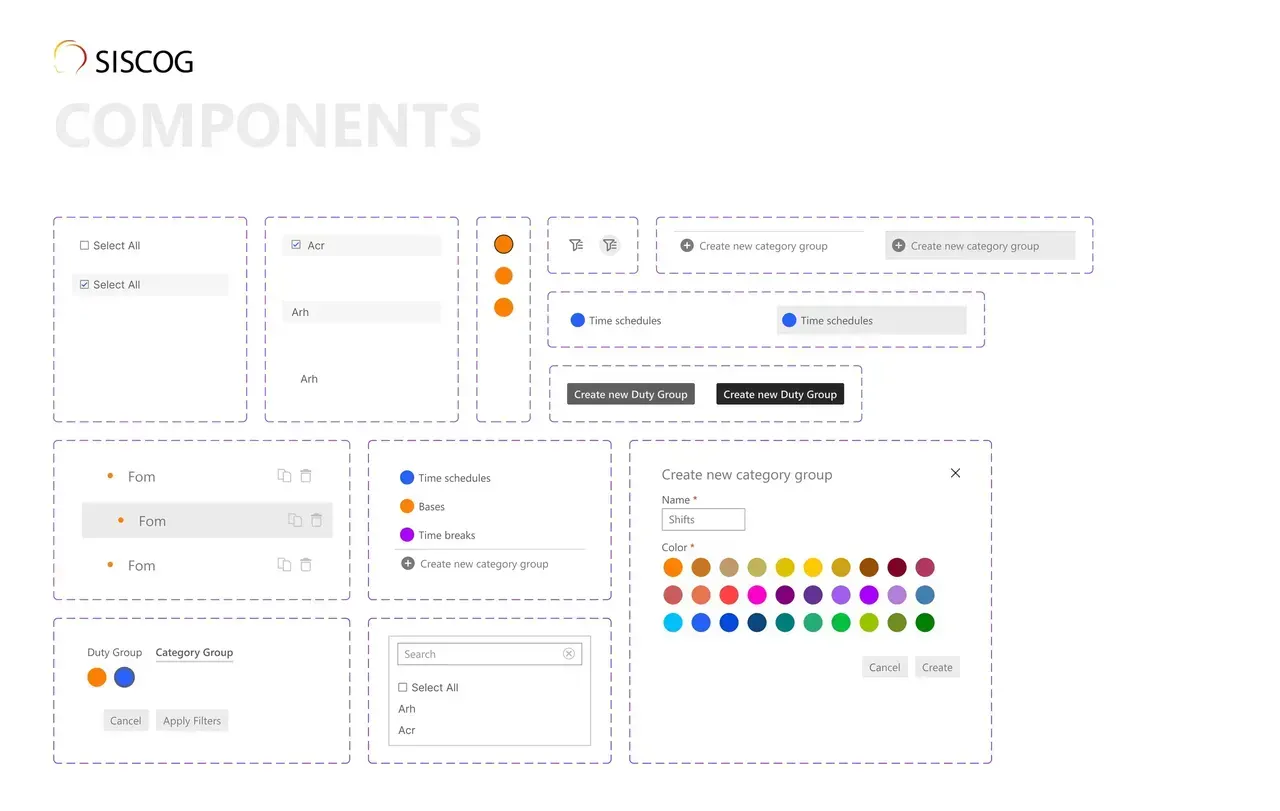
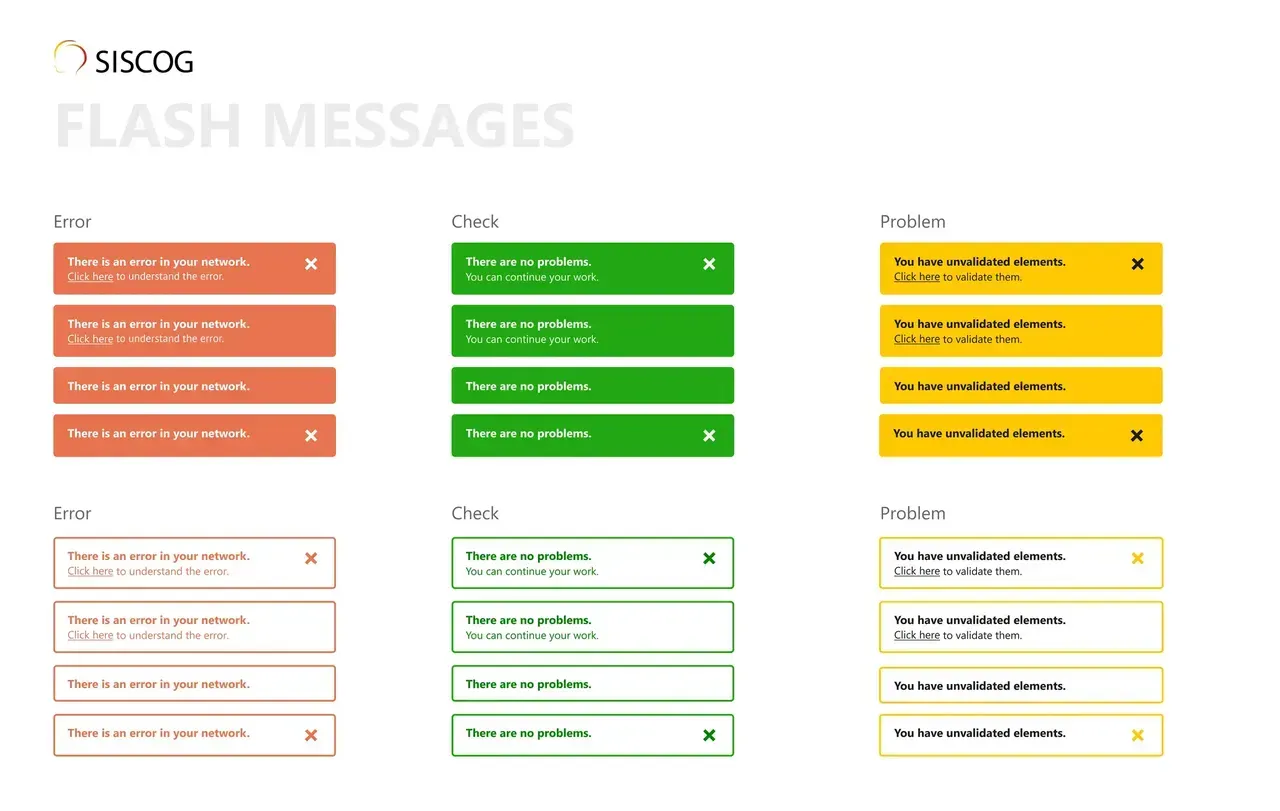
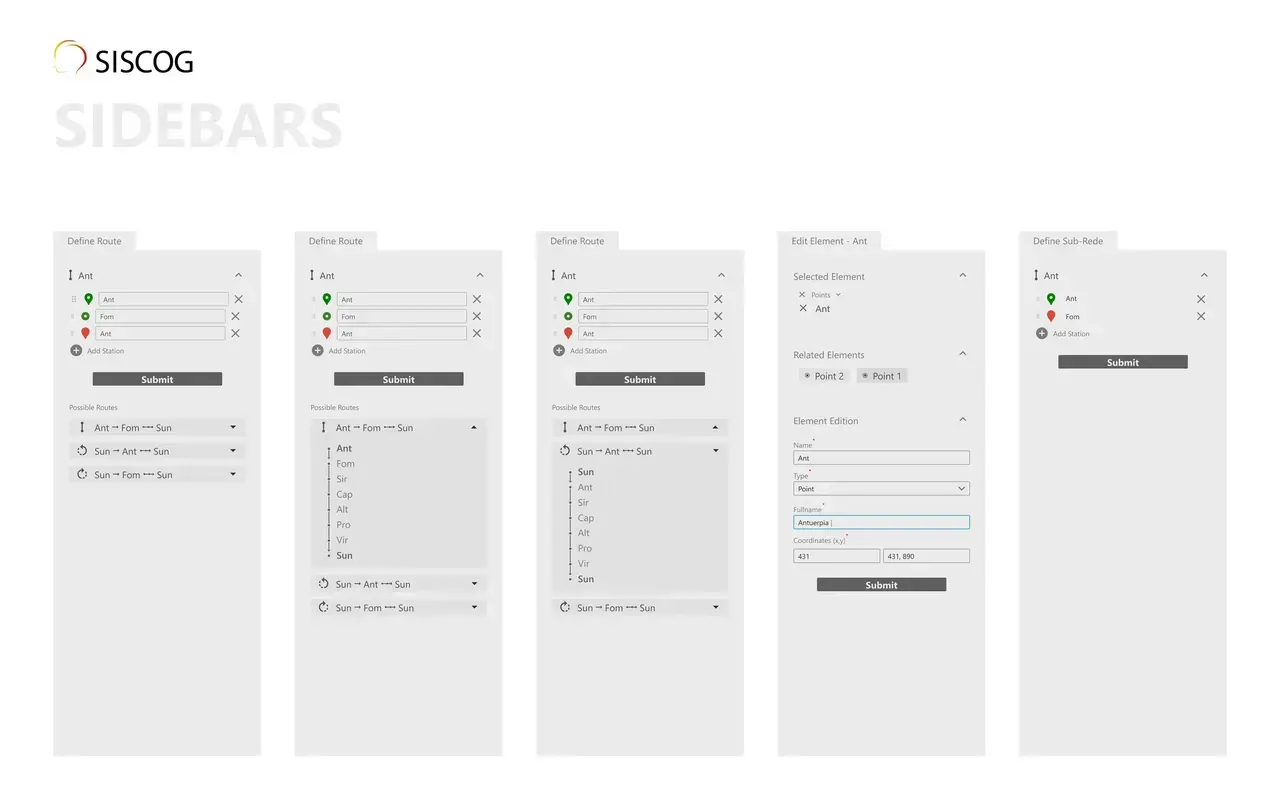
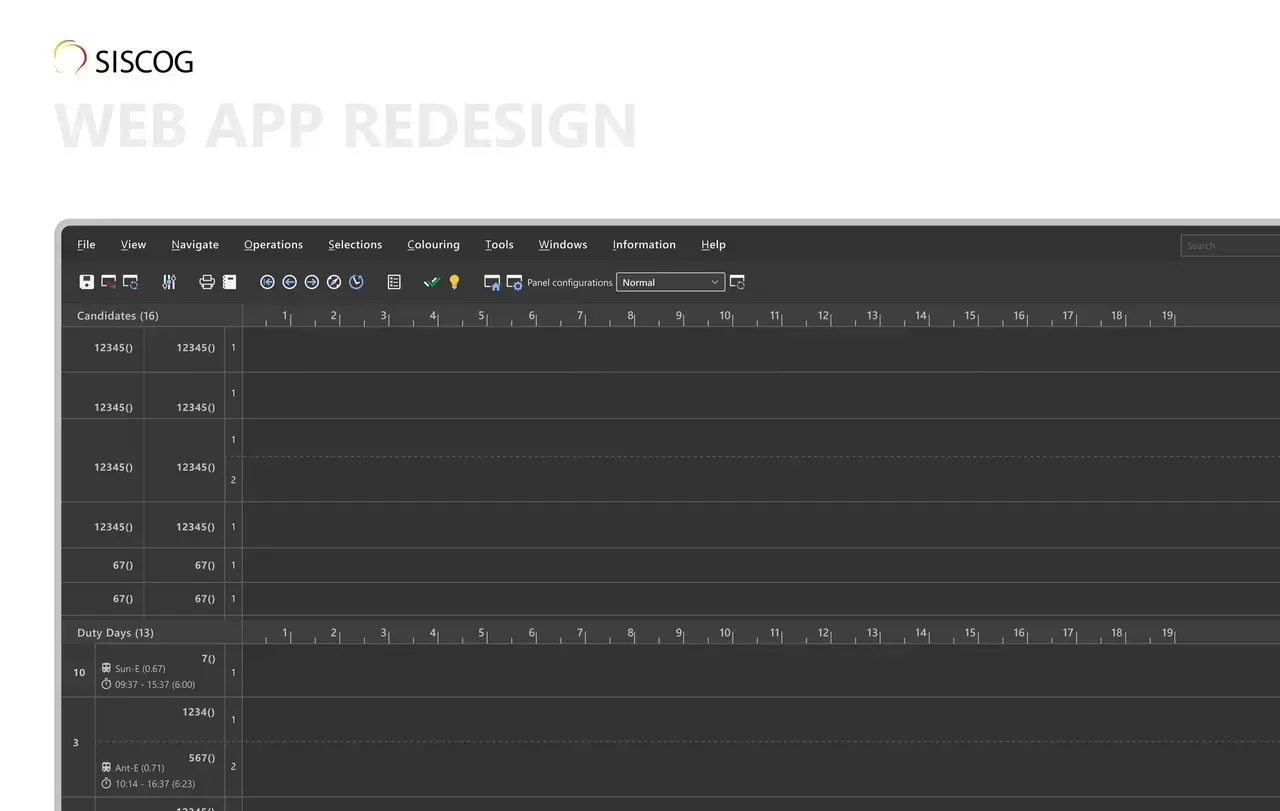
I redesigned the core planning and dispatch workflows across all four products and established a shared interaction language for scheduling grids, rules, filters, validation, conflict resolution, alerts and optimiser feedback. The accompanying design system introduced 72 reusable components and patterns, each documented with behaviours, states, accessibility requirements and contribution guidelines, eventually covering 91% of audited production screens. The result gave design and engineering a shared set of foundations and expert interaction patterns, preserving SISCOG's specialist operational knowledge while making the software faster to learn, safer to operate and more consistent to evolve.
I redesigned the core planning and dispatch workflows across all four products and established a shared interaction language for scheduling grids, rules, filters, validation, conflict resolution, alerts and optimiser feedback. The accompanying design system introduced 72 reusable components and patterns, each documented with behaviours, states, accessibility requirements and contribution guidelines, eventually covering 91% of audited production screens. The result gave design and engineering a shared set of foundations and expert interaction patterns, preserving SISCOG's specialist operational knowledge while making the software faster to learn, safer to operate and more consistent to evolve.
Success Framework
Success Framework
Following a controlled rollout, the redesign was measured against real, first-party product and usability data across four dimensions: core workflow performance, error and recovery rates, adoption and usability, and the design system's own delivery impact.
Following a controlled rollout, the redesign was measured against real, first-party product and usability data across four dimensions: core workflow performance, error and recovery rates, adoption and usability, and the design system's own delivery impact.
Core Workflow Success
Core-workflow success rose from 78% to 93%, and plan time also fell 28%.
Errors & Recovery
Interaction errors fell 34%, and disruption recovery got 22% faster now.
Adoption & Usability
89% adoption among 320 monthly users within 12 weeks, SUS rose 61 to 80.
Design System Impact
72 reusable components now cover 91% of screens, delivery time down 38%.
Personal Reflection
Personal Reflection
SISCOG changed how I think about enterprise design. The goal was never to make the interface look simpler, it was to help experts make complex, high-stakes decisions with confidence, in software that plans schedules for over 10,000 rail employees and networks carrying millions of passenger journeys. Designing and validating dedicated accessibility themes alongside colour-blind users reinforced that accessibility isn't an afterthought, it's core to whether an expert can actually do their job safely. Watching that translate into real numbers, workflow success up 15 points, errors down a third, adoption at 89% within 12 weeks, was proof that rigorous, research-grounded design pays off in domains far more demanding than typical consumer products.
SISCOG changed how I think about enterprise design. The goal was never to make the interface look simpler, it was to help experts make complex, high-stakes decisions with confidence, in software that plans schedules for over 10,000 rail employees and networks carrying millions of passenger journeys. Designing and validating dedicated accessibility themes alongside colour-blind users reinforced that accessibility isn't an afterthought, it's core to whether an expert can actually do their job safely. Watching that translate into real numbers, workflow success up 15 points, errors down a third, adoption at 89% within 12 weeks, was proof that rigorous, research-grounded design pays off in domains far more demanding than typical consumer products.
Product Vision & Next Steps
Product Vision &
Next Steps
The engagement concluded with the design system fully documented and handed to SISCOG's product and engineering teams, covering 91% of production screens across all four products. Ownership of the system's evolution, new components, contribution guidelines and accessibility standards, now sits with SISCOG's internal team, giving them a shared foundation to build on as the suite continues to grow.
The engagement concluded with the design system fully documented and handed to SISCOG's product and engineering teams, covering 91% of production screens across all four products. Ownership of the system's evolution, new components, contribution guidelines and accessibility standards, now sits with SISCOG's internal team, giving them a shared foundation to build on as the suite continues to grow.